
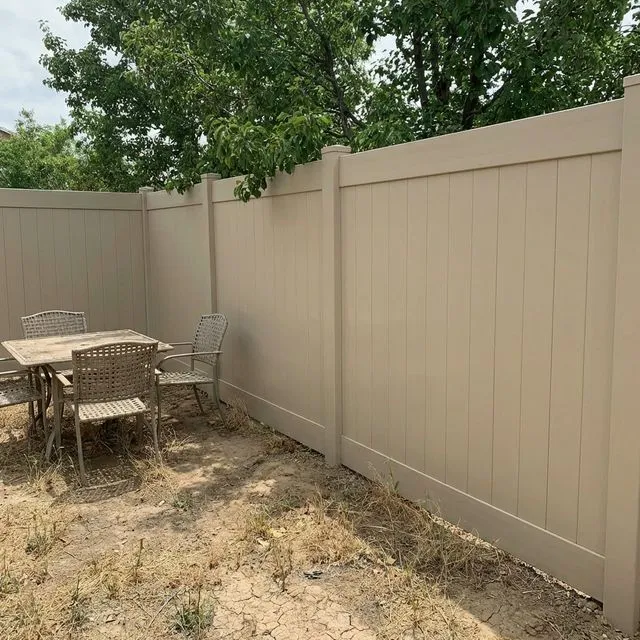
Pool Fence Installation in Bakersfield, CA
Bakersfield Quality Fences Pool fencing is a safety requirement in California and one of the most consequential fence installations a homeowner makes. The code requirements for pool barriers are specific: minimum height, maximum picket spacing, self-closing and self-latching gate hardware, and latch placement that prevents access by small children. We install pool fence systems that meet California Health and Safety Code requirements and function reliably under the daily use conditions of a residential swimming pool.
If you are installing a new pool, adding a barrier to an existing pool, or replacing a non-compliant fence, call us or submit a quote request. Pool fence work is code-specific and getting it right matters — we install it correctly the first time.
Pool Fence Installation Services in Bakersfield, CA
California's residential pool barrier requirements are detailed in Health and Safety Code Section 115922 and apply to all new pools and applicable upgrades. The requirements cover barrier height (minimum 60 inches), maximum ground clearance, picket spacing that prevents a 4-inch sphere from passing through, and gate hardware that is self-closing and self-latching with the latch on the interior side of the gate at a height that prevents children from reaching it. We install pool fence systems that meet all of these requirements as standard — not as an upgrade option.
Beyond code compliance, a pool fence needs to function smoothly for years of daily use. Gates that self-close correctly must be hung on properly sized hinges with the right spring tension — too heavy and family members prop them open, defeating the safety purpose; too light and they do not close fully against the latch. We calibrate gate closer tension and latch engagement at installation and instruct the homeowner on what a properly functioning pool gate should feel like, so they can identify a problem if the hardware drifts out of adjustment over time.
Aluminum Pool Enclosures
Aluminum is the most common pool fence material in Bakersfield because it is rust-resistant, available in code-compliant picket spacings and heights, and maintains a clean appearance with minimal maintenance. Black aluminum pool fencing in particular disappears visually against landscaping, keeping the pool area open and inviting rather than enclosed. We install aluminum pool fence systems with powder-coated posts set in concrete at appropriate depths and gates hung with self-closing hinges and code-compliant self-latching hardware as standard.
Mesh Pool Fence Systems
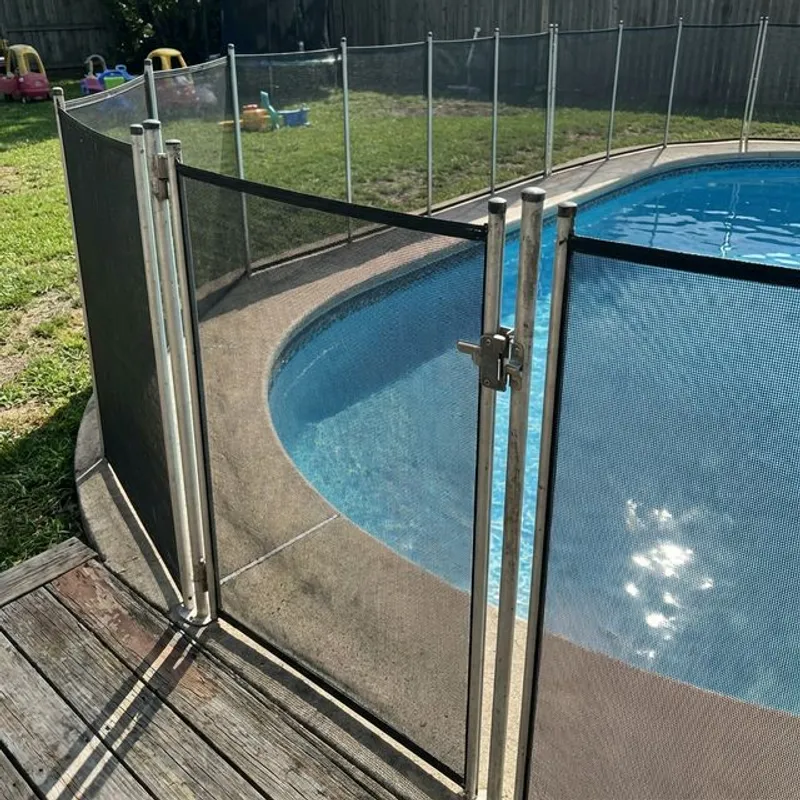
Removable mesh pool fence is popular with families who want the safety barrier when the pool is not supervised but prefer an unobstructed pool area for adult entertaining. The mesh panels attach to removable posts that anchor into small sleeve fittings set in the pool deck. When removed, only the small deck sleeves remain visible. We install the deck anchors and provide the mesh panel system. Mesh systems must still meet minimum height requirements and be installed with a code-compliant gate to satisfy California pool barrier requirements.
Wrought Iron and Ornamental Enclosures
Ornamental iron or steel pool enclosures provide the highest visual impact and are a strong choice for properties where the pool area is a landscaped architectural feature. The fence style can match an existing ornamental iron perimeter fence or front yard fence for a cohesive property appearance. Ornamental enclosures are installed with the same code-compliant gate hardware as other pool fence materials — the aesthetic choice does not change the safety hardware requirements.
Why Bakersfield Quality Fences for Pool Fence Installation
Pool fence installations are code-specific and safety-critical. Here is how we approach them.
Code-Compliant by Default
Every pool fence we install meets California Health and Safety Code pool barrier requirements as the standard, not as an upgrade. Picket spacing, barrier height, ground clearance, and gate hardware are all specified to code requirements from the start. We do not leave these details to the homeowner to research and verify after installation.
Gate Hardware Calibration
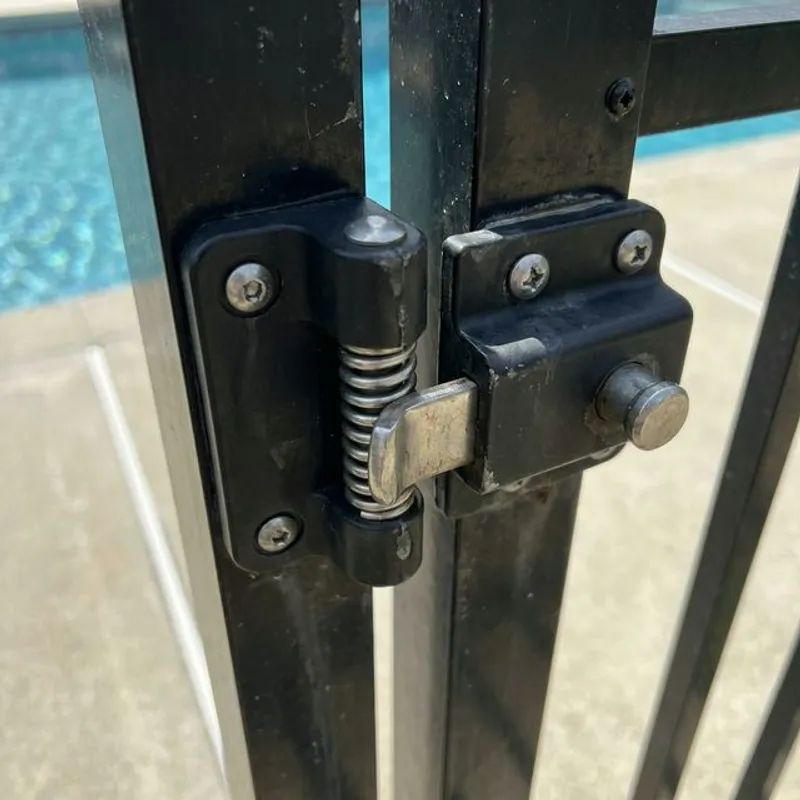
Self-closing gate hinges must be calibrated for the specific gate weight so the gate closes with enough force to engage the latch every time without being so heavy that family members prop it open. We set and test hinge tension at installation and verify the latch engages reliably under the actual closing force before leaving the site.
Permit Documentation Support
Pool fence installations typically require a building permit in Bakersfield, and the permit inspection will verify code compliance. We can provide installation documentation — materials list, hardware specifications, and fence layout dimensions — that supports the permit application and the inspection process.
Long-Term Hardware Reliability
Pool fence gates are used multiple times daily by adults and children. We use commercial-grade self-closing hinges and self-latching hardware on pool gates rather than residential-grade hardware — the difference in service life under high-cycle use is substantial.
Non-Compliant Fence Upgrades
Older pools in Bakersfield often have fence or barrier systems that do not meet current California code requirements — either because they were installed before the current code or because code-compliant hardware has deteriorated. We assess existing pool barriers and recommend the upgrades needed to bring them into compliance, whether that means replacing gate hardware, adding height to the barrier, or replacing sections with non-compliant picket spacing.
Deck and Hardscape Integration
Pool fence installations on concrete or paver decks require core-drilling or surface mount anchoring rather than conventional post setting in soil. We select the appropriate mounting method based on the deck construction type and the post spacing required by the fence system. Deck mounts are sealed after installation to prevent water intrusion into the anchor sleeve.
Landscaping-Integrated Layouts
Pool areas with mature landscaping require fence layouts that navigate around existing trees, planters, and hardscape features without creating barrier gaps. We plan fence lines around obstacles during the site visit rather than discovering conflicts during installation. Posts positioned in planting beds require additional depth and concrete volume to achieve the same pull-out resistance as posts in open soil.
Pool Fence Installation Process
Code Review and Layout Planning
We review the applicable code requirements for your installation — barrier height, picket spacing, gate hardware, and setback from the water edge — and plan the fence layout to meet them. Permit requirements are identified during this phase so the timeline can account for permit processing before work begins.
Post Setting
Posts are set in concrete in soil, or anchored with core-drill or surface-mount systems on concrete and paver decks. Pool fence installations typically have shorter post spacing than perimeter fences because the smaller panel bays maintain the required picket spacing and gate clearance. All posts are plumbed and braced while concrete cures.
Panel and Gate Installation
Fence panels are installed with verified picket spacing and height. The gate frame is hung on self-closing hinges positioned correctly for the gate weight. Self-latching hardware is mounted at the code-required height on the interior gate face. Gate swing direction is confirmed — pool gates must swing away from the pool, not into the pool area.
Safety Testing and Homeowner Handoff
We test the gate self-closing and self-latching function repeatedly under actual use conditions before the installation is complete. Hinge tension is adjusted if needed to achieve positive latch engagement on every closing cycle. We walk you through the gate operation, show you how to identify if the hardware drifts out of adjustment, and provide documentation of the installation for permit close-out.
Pool Fence Installation FAQs
Is a pool fence required by law in California?
What are the gate requirements for a pool fence?
Can I use my existing backyard fence as the pool barrier?
What is the minimum height for a pool fence in California?
Do I need a permit for a pool fence?
Ready to Start Your Pool Fence Installation Project?
Get a detailed estimate for your pool fence installation project in Bakersfield. No pressure, no obligations — just a straight answer on scope, timeline, and cost.