
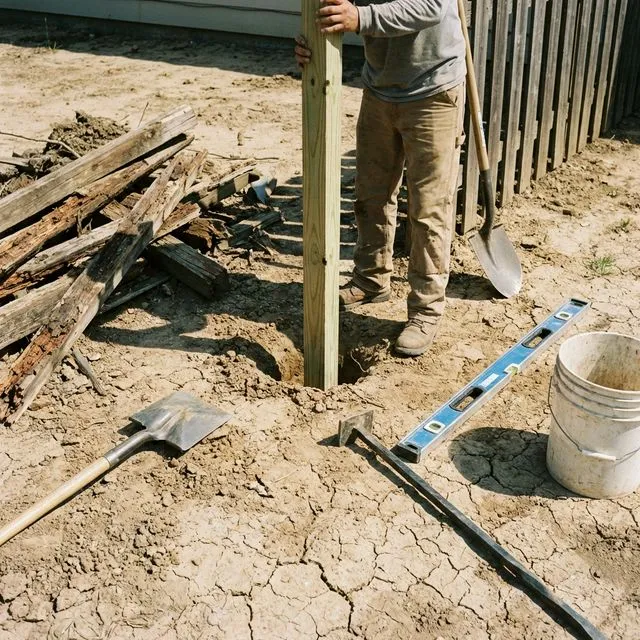
Fence Removal and Disposal in Bakersfield, CA
Bakersfield Quality Fences Whether you are preparing for a new fence installation, clearing a property for sale, or removing a storm-damaged fence that is beyond repair, we handle complete fence demolition, post extraction, and haul-off for wood, vinyl, chain link, and metal fencing throughout Bakersfield. We can coordinate fence removal as part of a replacement installation or as a standalone service when the replacement is being handled separately.
Old fence debris left on a property creates liability and delays the next phase of work. We complete the demolition and haul-off cleanly so the site is ready for whatever comes next. Call or request a quote and we will schedule the work around your timeline.
Fence Removal and Disposal Services in Bakersfield, CA
Fence removal involves more than pulling boards off rails — it requires extracting posts and concrete footings, managing debris safely, and leaving the site in a condition that is usable for the next phase of work. Posts set in concrete footings require either extraction or break-off at grade, depending on whether the area will be re-fenced and whether the existing concrete location works for the new fence layout. We assess the post and footing situation before starting demolition and confirm the appropriate approach for each application.
Material handling and disposal vary by fence type. Wood fence debris is bulky but straightforward to haul. Chain link involves coiled fabric, post sections, and top rail that need to be bundled for transport. Vinyl panels are lightweight but large and awkward. Metal post sections may be recyclable. We sort materials for appropriate disposal and recycling where practical, and all debris is removed from the site the day of the demolition.
Complete Wood Fence Demolition
Wood fence removal involves detaching boards and rails, extracting posts, and breaking out or extracting concrete footings as required for the next installation. Boards and rails are broken down into manageable sections for loading. Posts with intact concrete collars can sometimes be rocked out with a post puller; others require more extensive excavation around the footing. All wood debris, concrete fragments, and fasteners are loaded and removed from the site.
Chain Link Fence Removal
Chain link removal requires careful handling of the fabric to prevent injuries from the cut wire ends. Fabric is rolled or folded for loading rather than left in loose piles. Top rail is disassembled from the post caps and handled in sections. Terminal, corner, and gate posts often have larger concrete footings than line posts and require more effort to extract. We confirm footing extraction requirements before starting to ensure the removal scope is correctly priced.
Vinyl and Metal Fence Demolition
Vinyl fence panels are removed by detaching the post caps and lifting panels out of the rail channels. Posts are extracted from the ground with the concrete collars. Vinyl panels and posts are bulky and require careful loading to keep debris manageable. Metal fence panel removal involves unbolting or unclipping panels from posts and disassembling gate hardware. Galvanized and powder-coated metal fence components may be recyclable through local metal recycling facilities.
Why Bakersfield Quality Fences for Fence Removal
Clean demolition is the foundation of a clean installation. Here is how we approach removal work.
Same-Day Haul-Off
All fence debris is loaded and removed from the property the day of the demolition. We do not leave piles waiting for a separate haul-off crew. A clean site at the end of the demolition day allows the next phase — whether that is a new fence installation or another project — to start without delay.
Minimal Landscaping Damage
Post extraction adjacent to existing plantings, hardscape, and irrigation requires care to avoid collateral damage. We work methodically around landscaping features rather than pushing through quickly, which keeps the post extraction scope from turning into a plant replacement scope.
Footing Assessment and Coordination
Whether to extract full footings or break them off at grade depends on the next installation plan. We confirm the approach with the client and the contractor doing the next installation before demolition begins so the site is prepared correctly for the work that follows.
Coordinated Scheduling
Fence removal for new installation projects is scheduled so the demolition and installation follow each other without a gap that leaves the property without a perimeter fence for an extended period. We coordinate the removal and installation timeline with the property owner and adjust when site conditions require it.
Concrete Footing Extraction
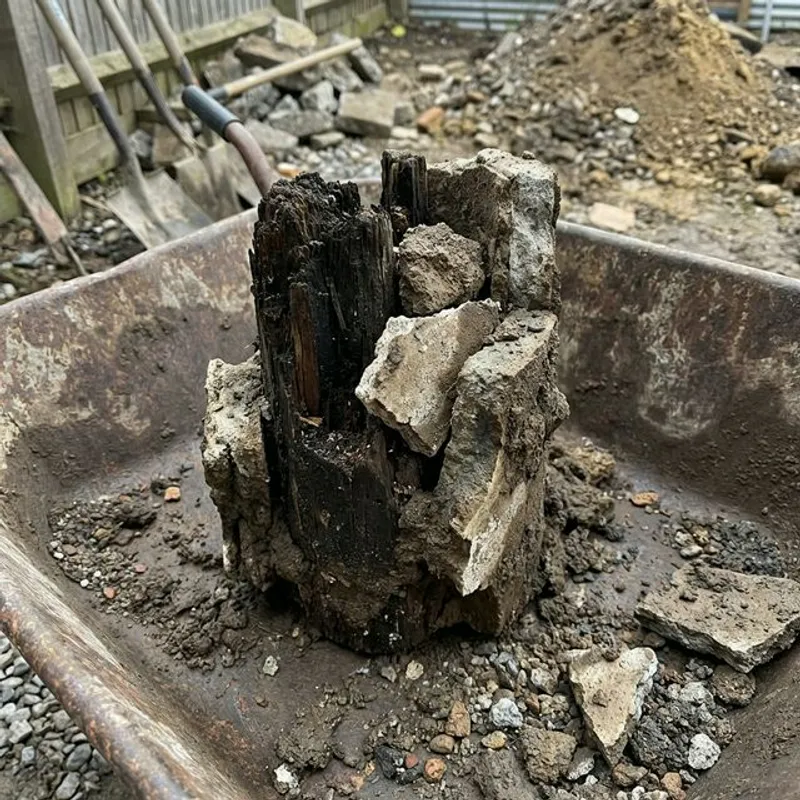
Old concrete footings left in the ground are obstacles for new fence post placement when the new fence follows the same line. We offer full footing extraction as part of the removal scope when the new installation requires it. Extraction involves excavating around the footing and using a post puller or bar to break the footing free from the surrounding soil. In hard clay soils, this is more labor-intensive than in sandy soil, and we account for the local soil conditions in the removal estimate.
Storm Damage Cleanup
Wind-damaged fences that have sections blown down, posts leaning, and panels scattered through the yard require a different approach than a planned demolition. We prioritize getting the site cleared safely — picking up panels, securing any post sections that are still partially standing but unstable, and loading all debris before it creates tripping or access hazards. Storm damage cleanup can be combined with an assessment for the subsequent repair or replacement work.
Property Transition Fence Removal
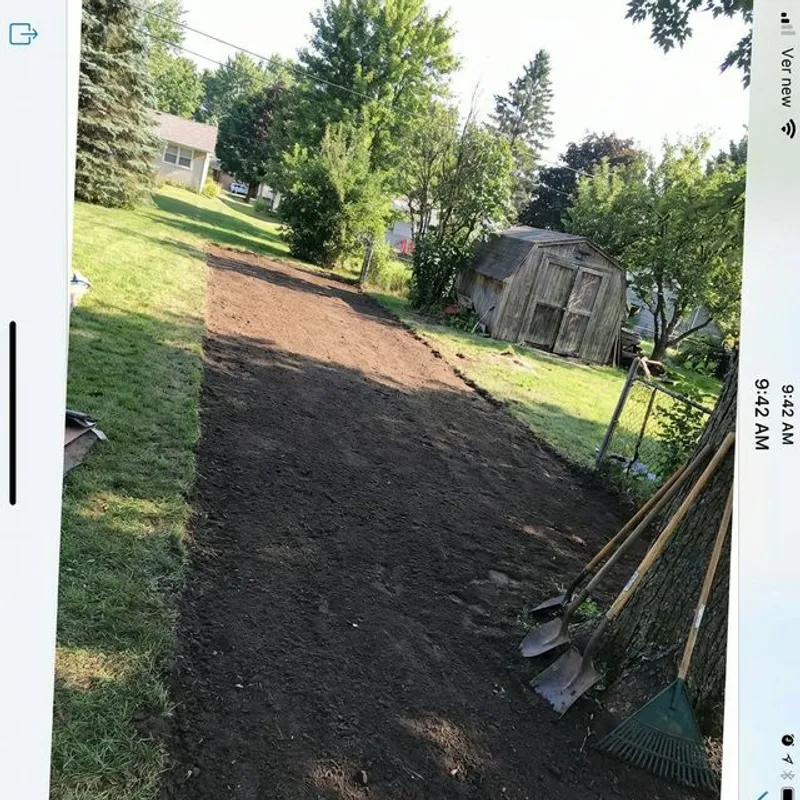
Property sales and tenant transitions often require complete fence removal for property staging, appraisal, or the new owner's landscape plans. We handle full-property fence removal on residential and commercial properties with a single crew, completing the work in a day or two depending on the fence footage involved. Properties are left with all posts extracted, concrete removed, and the ground surface leveled to the original grade where practical.
Fence Removal Process
Site Review and Scope Confirmation
We walk the fence line before demolition begins to confirm the full removal scope, identify any utility lines that run near the fence path, and determine the footing extraction approach. Concrete footing extraction requirements have a significant impact on time and cost, so these are confirmed explicitly before we start rather than discovered mid-job.
Panel and Rail Removal
Fence boards, panels, and rails are removed first to reduce weight and make the post extraction more efficient. Wood boards are de-nailed or cut free from rails where necessary. Vinyl panels are detached from post rail channels. Chain link fabric is rolled and secured for safe handling. All surface materials are loaded before post extraction begins.
Post and Footing Extraction
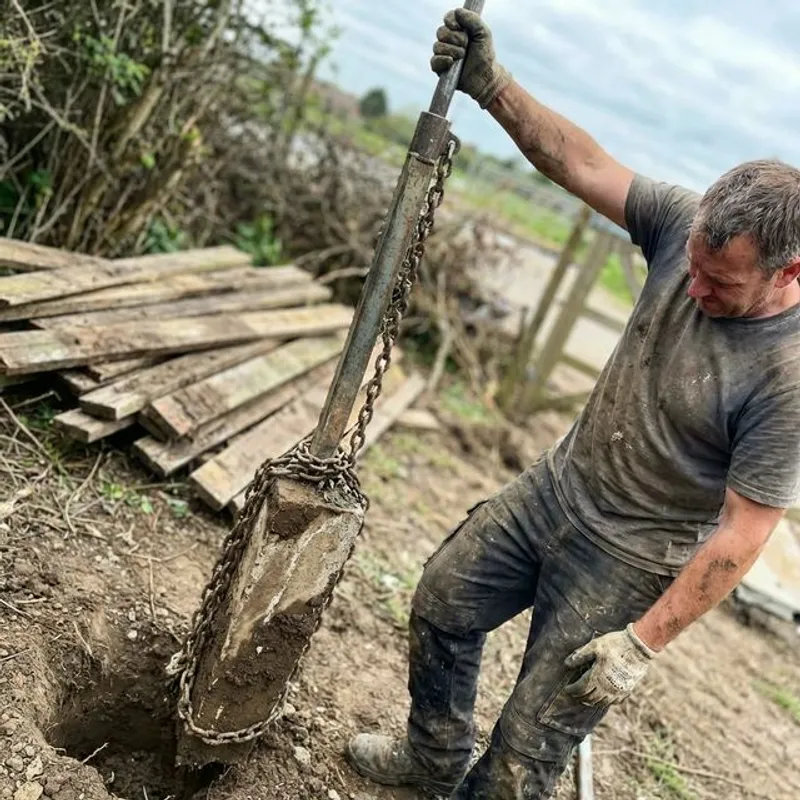
Posts are extracted using post pullers, breaker bars, or excavation depending on footing size and soil conditions. Where full footing extraction is specified, the concrete is broken out and removed along with the post. Where break-off at grade is specified, the post is cut or broken at the soil surface and the concrete collar remains in the ground.
Site Cleanup and Haul-Off
All debris — boards, rails, panels, posts, concrete fragments, and fasteners — is loaded into the disposal vehicle. The fence line is raked or swept to remove small debris. The site is left in a clean condition with the ground surface restored as closely as practical to its pre-fence state. Debris is transported to appropriate disposal or recycling facilities.
Fence Removal and Disposal FAQs
Do you need to remove old concrete footings?
Can you remove just part of a fence?
How long does fence removal take?
What happens to the old fence materials?
Can fence removal be done the day before a new fence installation?
Ready to Start Your Fence Removal and Disposal Project?
Get a detailed estimate for your fence removal and disposal project in Bakersfield. No pressure, no obligations — just a straight answer on scope, timeline, and cost.