
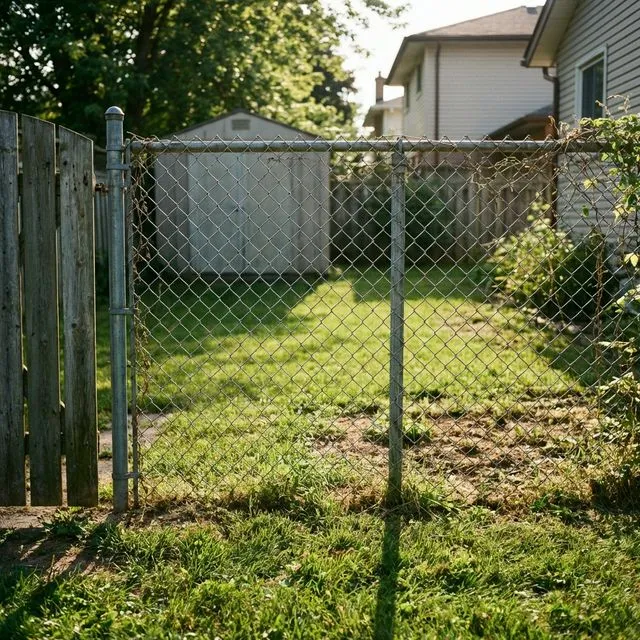
Dog Run and Pet Fencing in Bakersfield, CA
Bakersfield Quality Fences Containing dogs and other pets requires more than just a fence — it requires a fence that accounts for the specific escape behaviors of the animal being contained. Jumpers need height and an inward lean or coyote roller. Diggers need buried barriers or ground-level deterrents. Determined chewers need mesh that is not climbable and hardware that cannot be pawed open. We design and install dog runs and pet fence systems for Bakersfield properties based on the actual animal and the actual yard, not a generic pet fence template.
If your current fence is not containing your dog — or you are adding a pet to the household and need to secure the yard before they arrive — call or request a quote. We will assess the yard and discuss the containment approach that makes sense for your animal.
Dog Run and Pet Fence Installation in Bakersfield, CA
Pet fence installations in Bakersfield need to handle the same structural demands as any other fence — the wind events, soil movement, and UV exposure that affect every outdoor installation in the Central Valley — while also addressing the specific behavioral characteristics of the animals being contained. A standard 6-foot wood privacy fence that would hold most dogs will not contain a large breed known for fence-jumping. A chain link fence at standard height is not adequate for a dog that has learned to climb the fabric. The containment strategy starts with an honest conversation about the dog's size, temperament, and known escape behaviors.
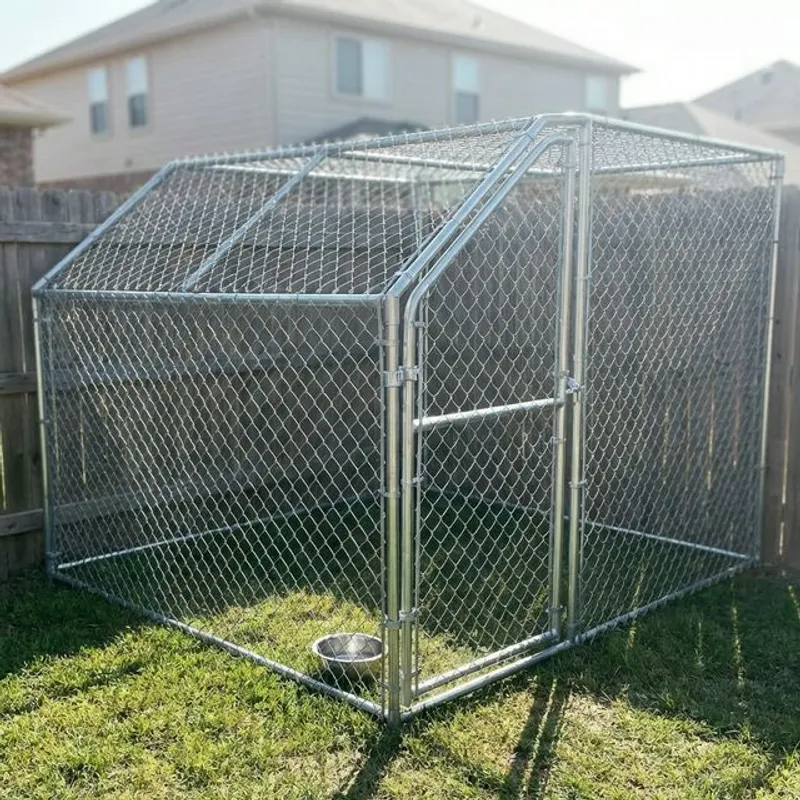
Dog runs — enclosed enclosures within the yard rather than full perimeter containment — offer a practical alternative for dogs that need outdoor time but whose behavior makes full-yard containment difficult or where the full perimeter cannot be fully secured. A well-built dog run provides the dog with adequate space for exercise, shade provisions for Bakersfield's heat, and containment that is solid enough to withstand escape attempts. We build dog runs in chain link, welded wire, and other appropriate materials with ground covers and top enclosures where needed.
Full Yard Pet Containment
Full perimeter containment for dogs means assessing the existing fence for weaknesses and either reinforcing it or replacing it with a system appropriate for the animal. Common weak points are insufficient height, gaps at gate corners and hinges, dig-through at the base, and chain link fabric that can be climbed. We identify the specific escape risk and address it — adding height where the dog jumps, adding a dig guard where the dog digs, and replacing climbable fabric with welded wire mesh where climbing is the issue.
Dedicated Dog Runs
A dog run is a contained pen within the yard — typically 6 to 10 feet wide and 20 to 40 feet long — that provides enough space for the dog to move and exercise while keeping the rest of the yard available for other use. We build dog runs from chain link or welded wire with ground coverage options and shade structure integration. For the Bakersfield climate, shade is a critical component — a dog left in an unshaded metal enclosure in summer sun faces serious heat risk, and we plan shade either through the run location relative to structures or through shade panel attachments.
Anti-Escape Modifications
For dogs with known escape behaviors, targeted modifications to the existing fence are often more cost-effective than full fence replacement. Coyote rollers at the top of a fence prevent jumping over by rotating when the dog places their paws on the top. Dig guards — L-shaped mesh or concrete barriers along the base — prevent digging under. Climb deterrents on chain link include adding fine mesh that eliminates the claw-hold points the dog uses to scale the fabric. We assess the specific escape method and install the appropriate deterrent.
Why Bakersfield Quality Fences for Pet Fencing
Pet containment failures are expensive and dangerous. Here is how we approach these installations to get it right the first time.
Behavior-Based Assessment
We ask about the dog's size, known escape attempts, and specific behaviors — jumping, digging, or climbing — before recommending a solution. A blanket approach to pet fencing misses the specific escape vectors and results in an installation that still fails to contain the animal.
Heat-Appropriate Planning
Bakersfield's summer temperatures are dangerous for dogs in exposed enclosures. We plan dog run orientations and shade provisions as part of the design rather than treating shade as an afterthought. A well-oriented run with shade coverage makes the enclosure habitable through the hottest months.
Gate Hardware for Daily Use
Pet fence gates are opened and closed multiple times daily — often while the handler's hands are full or while the dog is pushing against the gate. We use reliable self-latching hardware, locate latches at heights convenient for adult use but inaccessible to dogs, and configure gate swing direction so the dog cannot push the gate open accidentally.
Dig Guard Integration
Digging under the fence is the most common escape method for determined dogs. We offer buried mesh barriers — L-shaped welded wire bent at the base of the fence and buried in the soil — as a standard option on pet fence installations. This eliminates the most common escape route without being visible in the finished installation.
Welded Wire Pet Enclosures
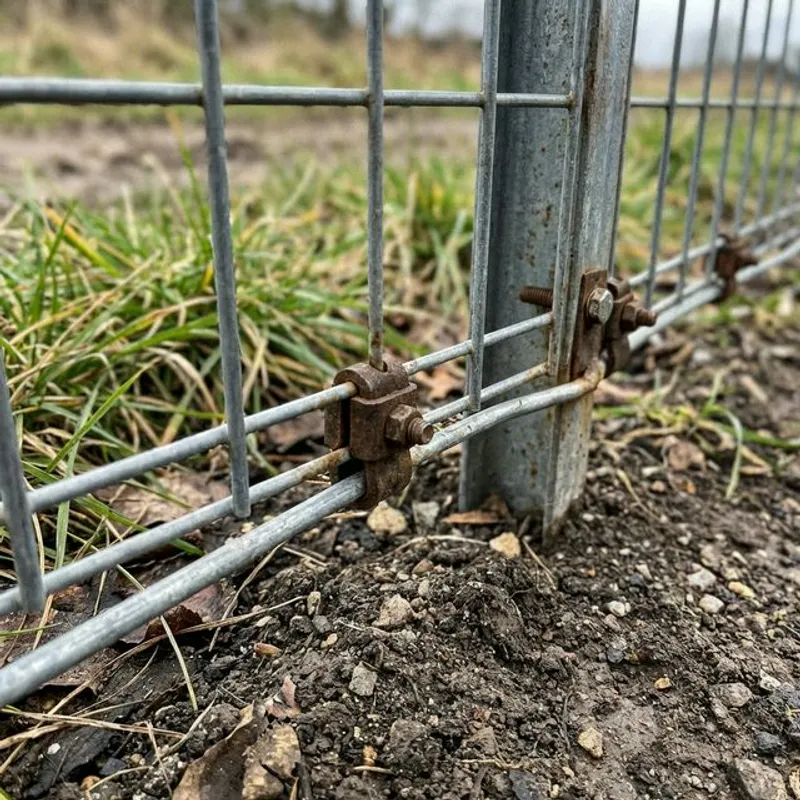
Welded wire mesh — 2x4 inch galvanized wire panels — is a stronger and more climb-resistant option than standard chain link for pet enclosures. The rigid grid structure does not provide the diagonal claw-hold pattern that dogs use to climb chain link, and the small mesh opening size prevents paw-through attempts. Welded wire panels are heavier and more expensive than chain link but significantly more effective for dogs with a history of climbing or fence contact.
Shade Structure Integration
Dog runs in Bakersfield require shade provision to be safe during summer months. We can integrate shade structure attachment points into the dog run framework at installation so a shade sail, solid roof panel, or covered section can be added without modifying the fence structure later. Positioning the dog run relative to the house or existing shade structures is the simplest solution when site geometry allows.
Pet Door and Access Integration
Dog runs that connect directly to the house through a pet door or pass-through opening allow the dog to move between the run and the house independently. We can install the fence section adjacent to the house with a built-in opening that matches the pet door frame size, with a lockable cover for times when indoor access should be restricted. This configuration gives the dog environmental control without requiring the owner to manually move the dog between spaces.
Dog Run and Pet Fencing Process
Pet Behavior and Site Assessment
We discuss the dog's size, age, known behaviors, and any previous escape history before assessing the yard. During the site visit, we identify the specific containment challenges — fence height relative to the dog's jumping height, existing gaps or weak points, soil conditions for digging risk, and shade availability for the enclosure location. The assessment drives the containment strategy and material recommendations.
Layout and Gate Planning
The fence line or dog run dimensions are confirmed, gate locations are selected for convenient daily use, and any anti-escape features — dig guards, coyote rollers, top enclosures — are specified before materials are ordered. For dog runs, the location is chosen to maximize natural shade and minimize direct sun exposure during peak afternoon heat.
Fence and Gate Installation
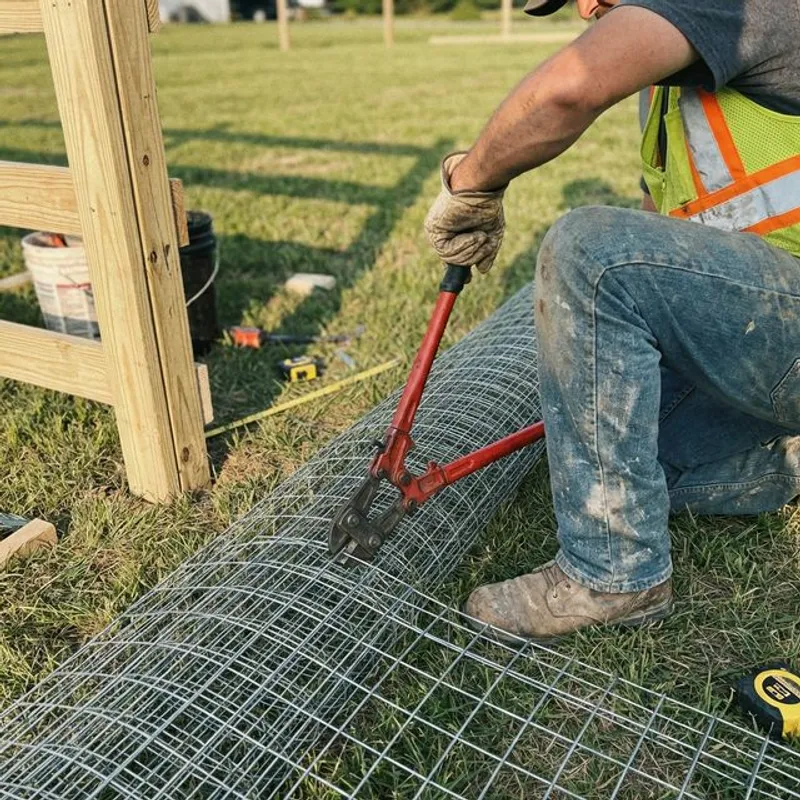
Posts are set in concrete at appropriate depths for the fence height. Mesh is installed with consistent tension and all connections — post-to-rail, mesh-to-rail, and corner connections — are verified. Dig guard mesh is installed along the base where specified. Gate hardware is installed with correct latch height and the gate swing direction confirmed for the intended use pattern.
Anti-Escape Features and Walkthrough
Coyote rollers, top enclosure mesh, and any other anti-escape features are installed and tested for correct function. We walk you through the installation, demonstrate the gate operation, and point out any maintenance items specific to the configuration. For new-to-the-home dogs, we recommend a supervised introduction to the enclosure before leaving the dog unsupervised.
Dog Run and Pet Fencing FAQs
What fence height is needed to contain my dog?
How do I stop my dog from digging under the fence?
What is a coyote roller and does it work?
How big should a dog run be?
Can I fence my entire yard for my dog in Bakersfield?
Ready to Start Your Dog Run and Pet Fencing Project?
Get a detailed estimate for your dog run and pet fencing project in Bakersfield. No pressure, no obligations — just a straight answer on scope, timeline, and cost.